

Treating Disc Injury with Chiropractic | Wichita, KS

What Is a Disc Injury?
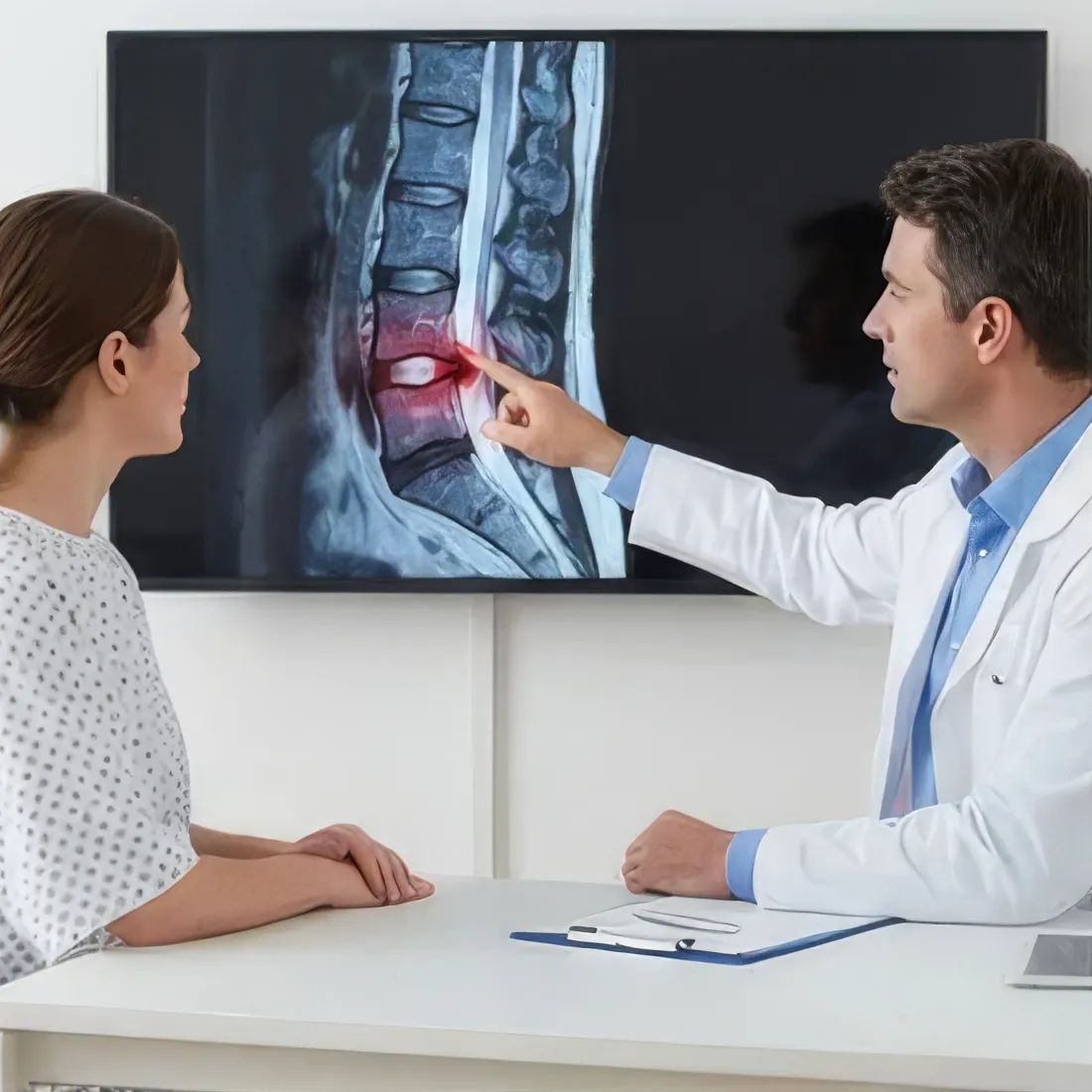
Spinal discs are soft, gel-filled cushions located between the vertebrae. They act as shock absorbers and allow flexibility in the spine. A disc injury occurs when the outer layer (annulus) of the disc becomes damaged or weakened, allowing the inner material (nucleus pulposus) to bulge or leak out.
Common disc injuries include:
Herniated Disc: The disc’s inner material pushes out through a tear in the outer layer.
Bulging Disc: The disc protrudes beyond its normal boundary but remains intact.
Degenerative Disc Disease: Age-related breakdown of disc structure and hydration.
These injuries often result in pressure on nearby nerves, leading to pain, tingling, numbness, or muscle weakness — particularly in the neck, back, arms, or legs.


Symptoms of Disc-Related Conditions
Lower back pain or neck pain
Pain radiating into the arms or legs (sciatica)
Numbness or tingling in the hands, fingers, feet, or toes
Muscle weakness or coordination issues
Increased pain during bending, lifting, or prolonged sitting
If you're experiencing any of these symptoms, it's important to get a proper evaluation before the condition worsens.
How Chiropractic Treats Disc Injuries Naturally
Chiropractic care addresses both the symptoms and root causes of disc problems. Instead of relying on medication or invasive procedures, we use precise spinal adjustments and supportive therapies to reduce nerve pressure, restore movement, and facilitate disc healing.
Chiropractic techniques for disc injury may include:
Spinal Adjustments: Gentle techniques to correct misalignments and improve biomechanics.
Spinal Decompression Therapy: Non-surgical traction to relieve pressure on compressed discs.
Postural Correction: Targeted strategies to relieve mechanical stress and promote stability.
Therapeutic Exercises: Customized plans to strengthen core and spinal muscles.
Lifestyle Counseling: Ergonomic and movement guidance to prevent recurrence.
By restoring spinal alignment and reducing inflammation, chiropractic care creates the ideal environment for the body to heal itself.
Benefits of Treating Disc Injury with Chiropractic
Non-invasive and drug-free care
Reduced nerve irritation and radiating pain
Improved spinal mobility and flexibility
Enhanced disc hydration and tissue repair
Support for long-term spinal stability and health
Less downtime and lower risk compared to surgery
Helpful Links:
What to Expect During Your First Visit
Your initial appointment will include:
A comprehensive consultation and spinal exam
Neurological and orthopedic testing
Postural and functional assessments
Referral for X-rays or imaging if necessary
A personalized care plan tailored to your diagnosis
Our goal is to help you feel better quickly while addressing the underlying structural issues that caused the disc injury.
Start Treating Your Disc Injury with Chiropractic Today
If you’re suffering from pain, numbness, or mobility issues caused by a disc injury, chiropractic care may provide the relief and recovery you’ve been looking for. At Optimal Wellness in Wichita, we’re committed to treating disc injury with chiropractic in a safe, personalized, and effective way.
Call us at (316) 425-1911 or book your consultation online.
Let us help you move better, feel better, and live better — starting today.
Disc injuries are commonly caused by poor posture, repetitive stress, lifting improperly, trauma (like auto accidents), or age-related degeneration.
Yes. Chiropractors use specific techniques tailored for disc injuries. Gentle, controlled adjustments and decompression can provide relief without increasing risk.
Recovery time depends on the severity of the injury, age, and overall health. Many patients experience improvement within a few weeks, though more severe cases may require longer-term care.
Yes. Many patients avoid spinal surgery by addressing the root causes of disc injury through chiropractic care, especially when treated early.
Radiating pain is a sign of nerve involvement. Chiropractic care can relieve nerve compression, reduce inflammation, and improve neurological function.